The short answer
Yes, licensed venues in Morocco serve alcohol. It is a Muslim-majority country where many locals do not drink, so availability and social expectations differ by place. The UK government's Morocco advice is explicit that drinking alcohol in the street and anywhere other than a licensed restaurant or bar is illegal. Carry identification and follow the retailer or venue's current entry rules rather than relying on an unsourced nationwide age claim.
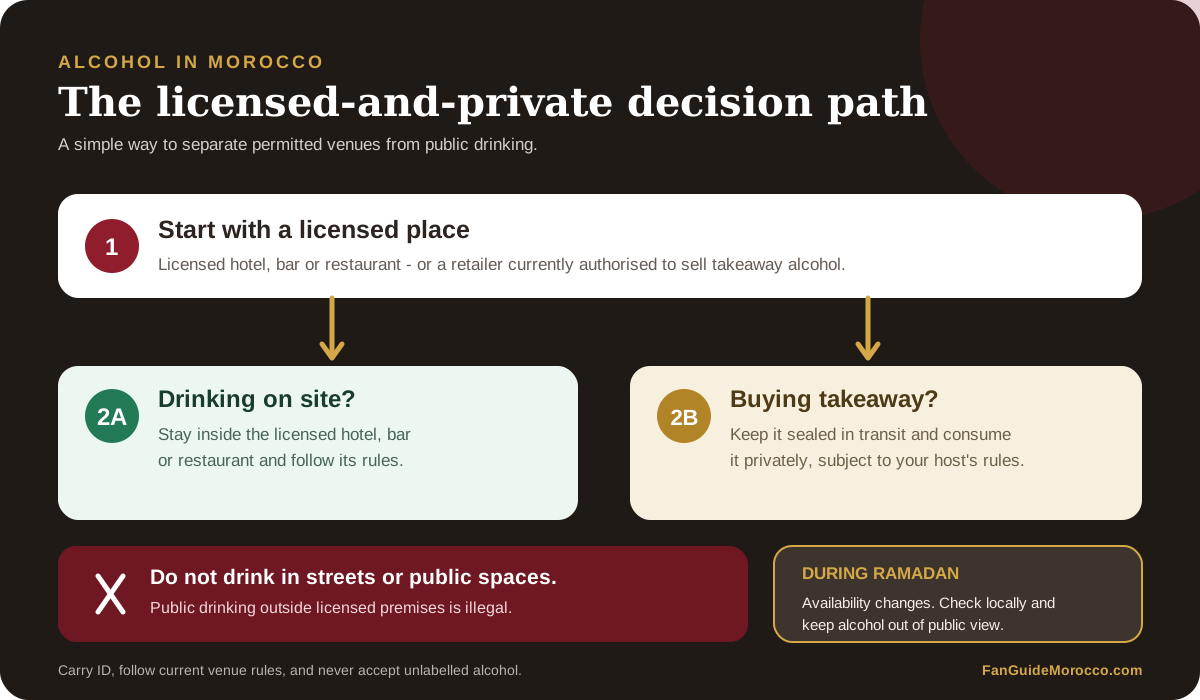
Availability does not make every setting appropriate. Check that a venue or retailer is licensed, follow its current ID and service rules, and keep consumption out of public spaces. The sections below separate what current official travel advice supports from details that must be checked locally.
Where to buy and drink it
Alcohol is served in licensed premises, which in practice means:
- Hotels and riads — most mid-range and upmarket hotels have a bar or will serve drinks; many rooftop terraces serve beer and wine.
- Bars and nightclubs — common in the bigger cities and tourist resorts (Marrakech, Casablanca, Rabat, Tangier, Agadir).
- Tourist and upscale restaurants — many restaurants aimed at visitors are licensed; more traditional and local eateries usually are not, so check before you sit down expecting wine with the tajine.
- Liquor stores — dedicated shops in the larger cities sell wine, beer and spirits to take away.
Availability varies sharply by location. The big cities and beach resorts have plenty of options, while smaller, more conservative towns may have very little or none. Some popular destinations — including Chefchaouen and many small medina towns — have limited availability, so if you want a drink there, your hotel bar may be the only practical option.
Supermarkets and shops
Some large supermarkets and dedicated retailers in major cities sell beer, wine and spirits, often in a separate section. Stock, opening hours, ID checks, and holiday or Ramadan closures vary by branch and can change, so verify them locally before making a special journey.
Ordinary corner shops (hanouts), street stalls and traditional cafés do not sell alcohol. Bring your passport or ID — you may be asked for proof of age.
Public drinking and the law
UK travel advice says drinking alcohol in the street and anywhere other than a licensed restaurant or bar is illegal. Use licensed premises only and follow current venue and official rules; this guide does not assume that private accommodation is automatically exempt.
Avoid public intoxication and behaviour that creates a safety or legal risk. If in doubt, stop drinking and use licensed transport rather than walking or driving.
Alcohol during Ramadan
During Ramadan, availability and opening arrangements can change. Some licensed venues or retailers reduce service or close, while others continue under their own policies. Check the specific establishment rather than assuming a supermarket chain, hotel or restaurant follows a nationwide schedule.
Official travel advice asks visitors to respect local traditions, customs and laws during Ramadan, particularly in public. Use only a licensed venue and follow its current instructions. Ramadan follows the lunar calendar, so confirm the dates for your year of travel.
Moroccan wine and beer
Morocco has domestic wine and beer producers. Whether a product is available, and at what price, depends on the licensed venue or retailer:
Wine. Moroccan producers make red, white, rosé and gris wines. Availability and origin vary by venue and retailer, so use the bottle label rather than a general guide to confirm the producer, region and alcohol content.
Beer. Casablanca and Flag are Moroccan beer brands you may encounter. Check the label and current menu rather than assuming either brand is stocked everywhere.
What it costs
There is no reliable nationwide range. Venue, city, brand, serving size and service setting can change the price substantially:
| Before paying | What to verify |
|---|---|
| Bar or restaurant | Read the current menu; confirm the brand, serving size and whether service is included. |
| Retail purchase | Use the displayed shelf price and confirm the outlet is licensed. |
| Hotel service | Check the hotel menu rather than applying a city-wide estimate. |
| Imported product | Compare the actual label and price; do not assume a fixed premium. |
For more on day-to-day costs, see our Morocco budget guide.
Etiquette and respect
- Use licensed premises. Do not drink in the street or assume a private setting is exempt from current rules.
- Don't offer alcohol to Moroccans unless you know they drink — many don't, for religious reasons, and offering can be awkward or offensive.
- Be doubly mindful in Ramadan and around mosques, religious sites and conservative areas.
- Avoid intoxication. Stop drinking if you feel unwell, stay with someone you trust and use licensed transport rather than driving.
- Read the room by location. A beach resort in Agadir and a small Rif mountain town are very different settings — match your behaviour to where you are.
Availability is not a guarantee that every purchase or setting is lawful. Verify the licence, follow the venue's instructions and current official advice, and do not drive after drinking.
Frequently asked questions
Can you drink alcohol in Morocco? +
Licensed hotels, bars and some restaurants serve alcohol. Public drinking outside licensed premises is illegal. Carry ID and follow the current rules of the venue or retailer.
Where can you buy alcohol in Morocco? +
Licensed hotels, bars and some restaurants serve alcohol; dedicated retailers and some supermarkets sell bottles in larger cities. Hours, stock and holiday closures vary, so check the specific venue or branch.
Can you drink alcohol during Ramadan? +
Availability can change during Ramadan. Check the specific licensed venue or retailer and follow current official advice about respecting Ramadan in public.
Is it legal to drink in public in Morocco? +
UK travel advice says drinking alcohol in the street and anywhere other than a licensed restaurant or bar is illegal. Use licensed premises and follow current rules.
Does Morocco make its own wine and beer? +
Yes. Moroccan producers make wine and beer, including products sold under Casablanca and Flag beer brands. Check the label for the producer and origin and the venue or retailer for current availability.
How much does alcohol cost in Morocco? +
There is no dependable nationwide figure. Check a current menu or shelf label because city, venue, brand, serving size and service setting all affect the price.